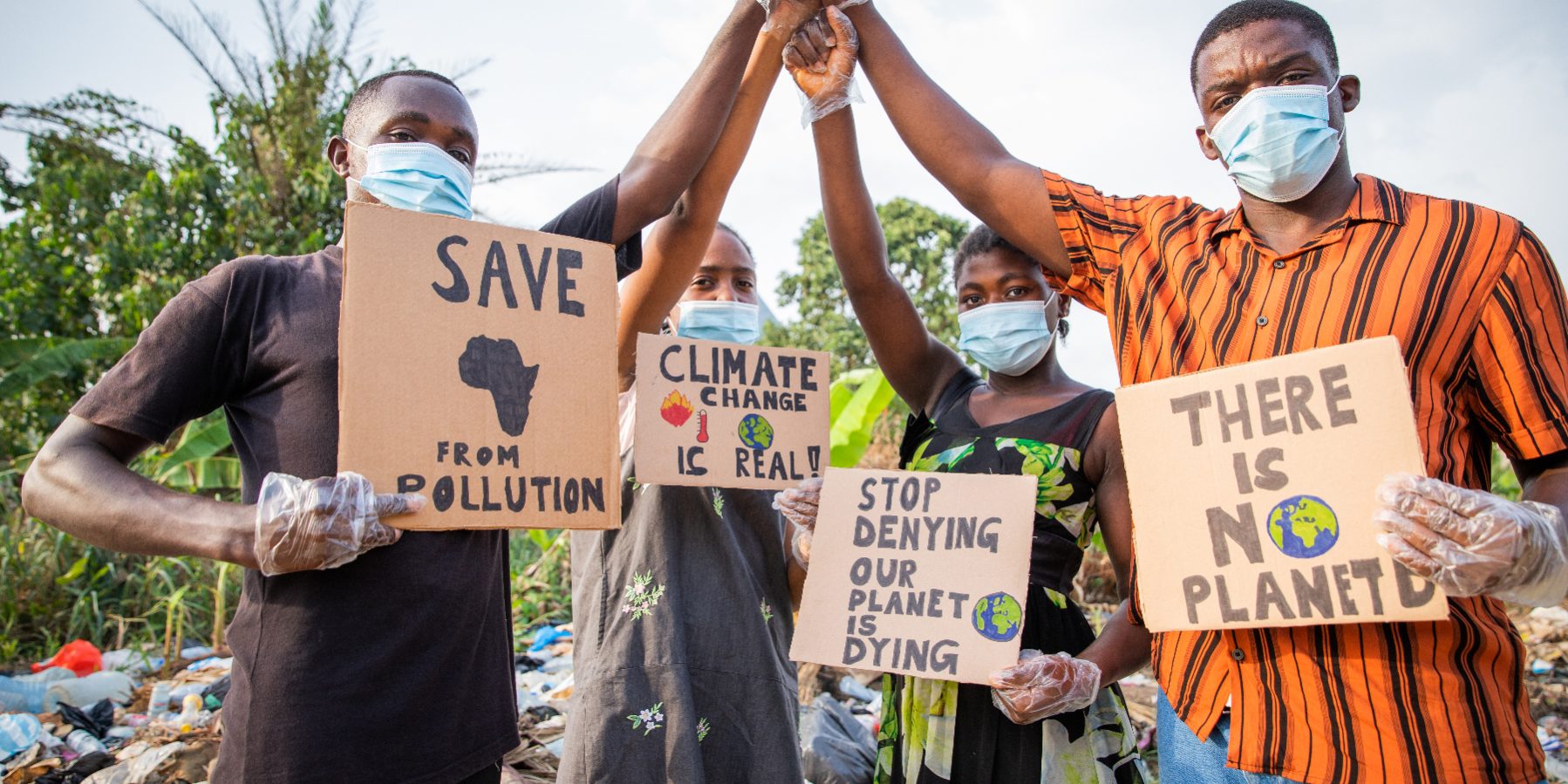
Cleaning the environment is a multifaceted endeavor that encompasses various strategies aimed at reducing pollution, restoring ecosystems, and promoting sustainability. This article explores key approaches and initiatives crucial for cleaning and preserving our natural surroundings.
Understanding Environmental Pollution
Environmental pollution, caused by human activities ranging from industrial emissions to plastic waste, poses significant threats to ecosystems and human health. Key types of pollution include air pollution, water pollution, soil contamination, and marine debris. Addressing these pollutants requires targeted efforts across different domains.
Strategies for Cleaning the Environment
1. Reducing Air Pollution
- Transition to Clean Energy: Promote renewable energy sources such as solar and wind to reduce reliance on fossil fuels.
- Improving Industrial Practices: Implement technologies and regulations to minimize emissions from factories and power plants.
- Encouraging Clean Transportation: Support electric vehicles and public transportation to reduce vehicle emissions.
2. Combatting Water Pollution
- Wastewater Treatment: Upgrade sewage treatment plants to remove pollutants before releasing water into natural water bodies.
- Reducing Runoff Pollution: Implement green infrastructure solutions like permeable pavement and rain gardens to reduce stormwater runoff.
3. Mitigating Plastic Pollution
- Reduce Single-Use Plastics: Encourage the use of reusable bags, containers, and utensils to reduce plastic waste.
- Recycling and Waste Management: Improve recycling infrastructure and promote proper disposal of plastics to prevent them from entering waterways and oceans.
4. Restoring Ecosystems
- Afforestation and Reforestation: Plant trees and restore forests to absorb carbon dioxide, prevent soil erosion, and provide habitat for wildlife.
- Wetland Restoration: Restore wetlands to filter pollutants, regulate water flow, and support biodiversity.
5. Cleaning Marine Environments
- Ocean Cleanup Initiatives: Support projects that remove plastic debris and other pollutants from oceans and coastal areas.
- Preventing Oil Spills: Implement strict regulations and response plans to minimize the impact of oil spills on marine ecosystems.
6. Promoting Sustainable Practices
- Circular Economy: Embrace principles of reduce, reuse, and recycle to minimize waste and resource consumption.
- Education and Awareness: Raise awareness about environmental issues and empower individuals and communities to adopt sustainable lifestyles.
Collaborative Efforts and Policy Interventions
- International Cooperation: Collaborate across borders to address global environmental challenges such as climate change and biodiversity loss.
- Policy Development: Advocate for and implement policies that prioritize environmental protection and sustainability at local, national, and global levels.
Conclusion
Cleaning the environment requires concerted efforts from governments, businesses, communities, and individuals. By implementing strategies to reduce pollution, restore ecosystems, and promote sustainable practices, we can create a healthier planet for current and future generations. Each action, whether small-scale recycling or large-scale policy reform, contributes to preserving Earth’s natural beauty and biodiversity. Together, we can achieve a cleaner and more sustainable environment, ensuring a thriving planet for all living beings.